
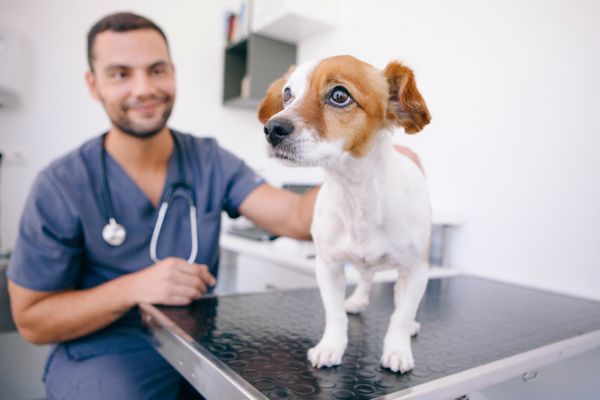
Bringing a puppy home is one of those life moments that feels pure and uncomplicated. There’s the clumsy excitement, the chewed slippers, the tiny paws following you from room to room. What most new owners don’t think about right away is that puppies, charming as they are, can also be fragile, accident-prone, and surprisingly expensive when it comes to veterinary care. That’s where pet insurance for puppies quietly enters the picture—not as a sales pitch, but as a practical tool many owners only appreciate after the first unexpected vet bill.
This guide takes a grounded, experience-driven look at what pet insurance for puppies actually covers, why timing matters, and how to think about it without turning puppy parenthood into a financial anxiety spiral.
Understanding why puppies are different when it comes to insurance
Puppies aren’t just small dogs. Their bodies are still developing, their immune systems are learning on the job, and their sense of danger is, frankly, nonexistent. They swallow things they shouldn’t, misjudge jumps, and pick up infections simply by existing in the world.
Veterinarians often note that the first year of a dog’s life includes some of the highest visit frequencies. Routine checkups are expected, but so are ear infections, stomach upsets, minor injuries, and the occasional “we don’t know how this happened” emergency. Pet insurance for puppies is designed with this reality in mind, often offering broader eligibility and fewer restrictions compared to policies for older dogs.
Another key difference is pre-existing conditions. Puppies typically come with a clean medical slate, which can make coverage easier to secure and more comprehensive from the start.
What pet insurance for puppies usually covers
Most puppy insurance policies focus on accidents and illnesses rather than routine care, though the exact boundaries vary. Coverage commonly includes emergency treatments, diagnostic tests, surgeries, medications, and hospital stays. If your puppy eats a sock or fractures a leg during an ill-advised leap from the couch, these are the situations where insurance tends to step in.
Illness coverage is particularly relevant during puppyhood. Viral infections, parasites, skin issues, and congenital conditions may appear early in life. Some policies cover hereditary and congenital problems, but often only if insurance is purchased before symptoms appear. This is one reason many owners choose to insure their puppies sooner rather than later.
It’s worth noting that vaccinations, spaying or neutering, and regular wellness exams are usually excluded from standard coverage. Some insurers offer optional wellness add-ons, but these function more like budgeting tools than true insurance.
Why early enrollment matters more than people realize
Timing is one of the most overlooked aspects of pet insurance for puppies. Enrolling early doesn’t just mean lower premiums; it can mean the difference between a covered condition and a permanent exclusion.
Many policies define pre-existing conditions very broadly. If your puppy shows symptoms—even something minor—before coverage begins, related issues may never be covered. A single vet note about digestive sensitivity or joint stiffness can echo through your policy for years.
Early enrollment also allows waiting periods to pass while your puppy is still healthy. Waiting periods are short windows after signup when coverage isn’t yet active. Getting these out of the way early creates peace of mind during the more unpredictable stages of puppy growth.
The emotional side of financial protection
Money is an uncomfortable topic in the context of pet care, but it shapes decisions more than most people like to admit. When faced with a sudden four-figure vet estimate, owners are forced into choices that feel unfair and rushed.
Pet insurance for puppies doesn’t eliminate hard decisions, but it can soften them. Knowing that a significant portion of costs will be reimbursed often changes the conversation from “Can we afford this?” to “What’s best for the dog?” That psychological shift matters, especially during emergencies when emotions are already running high.
Many long-term dog owners say they didn’t think much about insurance until they needed it. By then, it was too late. Puppies offer a rare reset button.
Understanding deductibles, reimbursements, and limits
Insurance language can feel deliberately confusing, but understanding the basics makes a real difference. Most pet insurance for puppies works on a reimbursement model. You pay the vet upfront, submit a claim, and receive a percentage back.
Deductibles can be annual or per-incident. Annual deductibles tend to be more predictable, while per-incident deductibles can add up if your puppy has multiple unrelated issues in a year. Reimbursement rates commonly range from 70 to 90 percent, and higher rates usually mean higher monthly premiums.
Coverage limits are another factor. Some policies have annual caps, while others offer unlimited payouts. Puppies with unexpected chronic conditions can hit limits faster than owners anticipate, so this detail is worth careful attention.
Common exclusions that surprise new puppy owners
Even comprehensive-looking policies have exclusions that catch people off guard. Dental issues, for example, are often excluded unless tied to an accident. Behavioral conditions may be covered by some insurers but not others. Certain breeds face specific exclusions for hereditary conditions unless enrolled early.
Parasite prevention, training classes, grooming, and dietary supplements are typically considered owner responsibilities rather than insurable events. Reading the fine print isn’t exciting, but it’s the only way to avoid disappointment later.
Breed, lifestyle, and location considerations
Not all puppies carry the same risk profile. Large breeds may be more prone to orthopedic issues, while flat-faced breeds can face respiratory problems. Active puppies who hike, swim, or travel frequently may encounter different risks than apartment-dwelling dogs.
Location also plays a role. Veterinary costs vary widely by region, and insurance premiums often reflect this. Urban clinics tend to charge more, which can make insurance more financially impactful in cities than rural areas.
Choosing pet insurance for puppies isn’t about finding the “best” plan in abstract terms. It’s about finding a plan that aligns with your puppy’s likely experiences and your own tolerance for financial risk.
How puppy insurance fits into long-term dog ownership
One overlooked benefit of starting with pet insurance for puppies is continuity. Policies typically renew annually, and conditions covered in earlier years remain covered as your dog ages. This can be invaluable when puppies grow into seniors with more complex medical needs.
Owners who insure early often keep coverage for life, not because it always “pays off” financially in neat calculations, but because it creates consistency and predictability. Vet visits become less stressful, and budgeting becomes easier.
It’s also worth acknowledging that some people choose to self-insure by setting aside savings instead. This approach can work, but it requires discipline and time—two things puppies tend to disrupt.
A realistic perspective on value
Pet insurance for puppies isn’t magic, and it isn’t for everyone. Some owners will pay premiums for years and rarely file a claim. Others will recoup many times their investment in a single emergency. Most experiences fall somewhere in between.
The true value often lies in reduced stress rather than pure financial gain. Insurance acts as a safety net, not a guarantee. Approached with realistic expectations, it becomes a supportive background system rather than a central focus of pet ownership.
Reflecting on the role of pet insurance for puppies
Raising a puppy is an exercise in optimism. You assume good health, happy years, and manageable challenges. Most of the time, that optimism is rewarded. But puppies live fully and recklessly, and the unexpected is part of the deal.
Pet insurance for puppies isn’t about planning for disaster. It’s about acknowledging uncertainty while choosing to protect both your dog’s well-being and your own peace of mind. When viewed through that lens, it becomes less of a financial product and more of a quiet companion in the background—one you hope you won’t need, but are grateful to have when you do.